
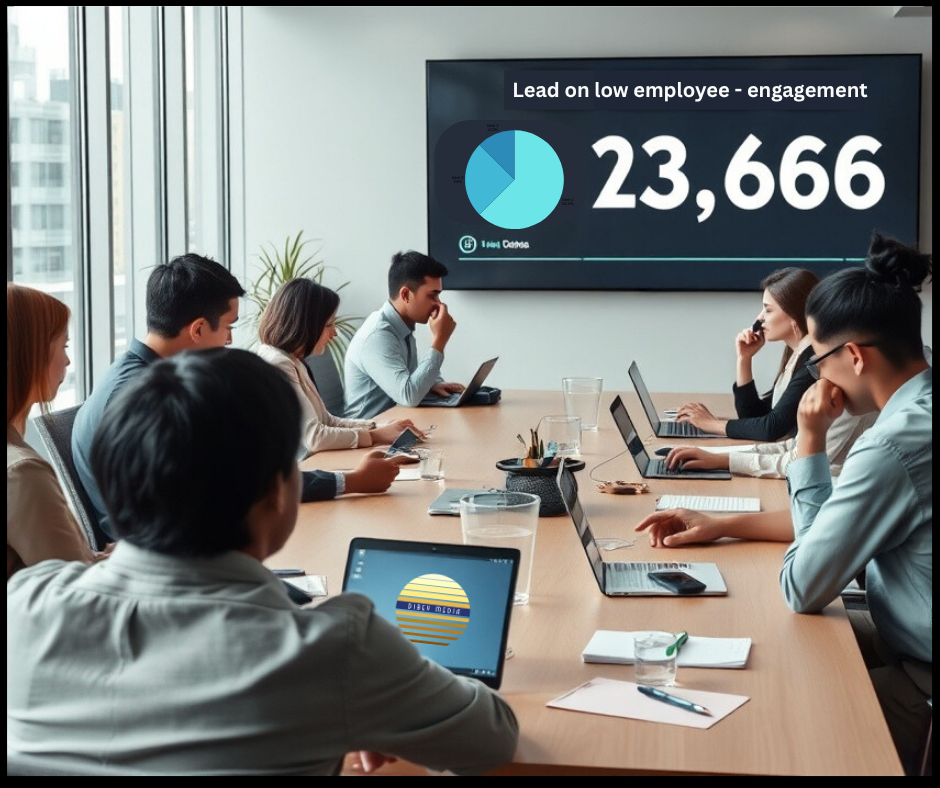
The reality is stark: only 29% of fully on-site employees report high levels of engagement at work, according to Gallup’s recent research. That means more than two-thirds of your staff could be mentally or emotionally checked out, even if they’re physically in the building every day. That statistic isn’t just a wake-up call; it’s a reflection of something deeper going on in today’s work culture, and it deserves a serious, human conversation.
Why On-Site Employees Might Be Checked Out
There was a time when physical presence equaled productivity. If you were at your desk, it meant you were working. But post-pandemic, that logic has unraveled. After years of remote work proving that flexibility didn’t destroy results, many employees now associate being required to return to the office with outdated thinking, lack of trust, and a failure to evolve. For some employees, being on-site can feel like forced performance, where the commute steals hours, autonomy is absent, and connection is manufactured through meetings that often go nowhere. If the office doesn’t offer what home can’t, meaningful interaction, purpose, comfort, or even natural light, then what’s the point of coming in at all?
What Disengagement Really Looks Like in On-Site Work
You probably know the signs; fewer ideas are shared, small talk dies off, and deadlines are met but with minimal effort. People show up, but the energy is flat. You might notice some employees taking longer breaks or constantly looking at the clock. But it’s not just laziness; it’s usually a sign that the emotional contract between employer and employee has frayed. I spoke with Reina, an HR director at a mid-sized creative agency in Los Angeles. When they enforced a five-day office return policy, she saw a spike in attrition, especially among mid-level talent.
“They were burned out from pretending to be okay,” she said. “They weren’t excited anymore. They didn’t feel like they mattered.”
That’s what disengagement does. It quietly tells your employees that their presence is more valuable than their perspective.
The Psychology Behind Engagement and the Fallout of Ignoring It
Employee engagement isn’t a nice-to-have metric. It’s tied directly to productivity, retention, creativity, and team morale. According to research published in the Harvard Business Review, disengaged employees cost U.S. companies between $450 billion and $550 billion annually. That’s not a typo. And it’s not just about perks like ping-pong tables or free coffee. Engagement thrives on autonomy, belonging, recognition, and clear purpose. When these needs aren’t met, especially in rigid on-site structures, workers mentally check out, even if their badge scans in every day at 8:00 AM.
Rebuilding Meaningful On-Site Culture and Engagement
I’m not here to argue that everyone should work remotely. Some roles do require physical presence, and certain teams genuinely thrive with in-person energy. But let’s be honest, not every position needs to be in the office five days a week, and pretending otherwise is one of the fastest ways to kill morale.
Many organizations are beginning to embrace a more flexible structure, like three days in the office and two remote, and they’re seeing interesting results: productivity hasn’t dropped. Studies from Stanford and Microsoft show that hybrid teams often outperform their fully on-site counterparts due to fewer interruptions, deeper focus time, and increased satisfaction. Employees come in with greater focus and appreciation for in-person interactions, as they are no longer drained by long commutes or distracted by unnecessary face time. This shift allows the office to become a space for meaningful engagement rather than just a place to be.
And let’s not forget the hidden benefit, retention. Employees who are given autonomy over how they work are significantly more likely to stick around. Flexibility communicates trust. It says, “We see you. We value your time. We believe in your ability to manage it.”
If you’re bringing people back in, you need to give them something worth coming in for. For example, incorporate areas that feel more human and less sterile. If your break room is a beige dungeon, something as simple as adding a high-quality office coffee station can make people feel considered. These subtle cues matter.
If your team is stuck behind screens all day despite being in the same building, it’s time to rethink workflow. Collaboration isn’t about proximity; it’s about intention.
Building Trust in a Post-Pandemic Work World
I asked Dr. Melissa Gallo, a workplace psychologist, what makes people emotionally invest in an office-based job today.
“They have to trust that their time is respected,” she said. “That includes their commute time, their lunch breaks, and the value of their presence. If someone feels forced to be somewhere for no discernible reason, disengagement is inevitable.”
She’s right. Trust and transparency have become the new currency. If leadership can’t explain clearly why on-site presence is necessary and back it up with action, employees will fill in the blanks with doubt and frustration. Creating a transparent plan, checking in regularly, and involving employees in those decisions builds the kind of culture where people want to show up. It’s not magic, it’s clarity.
A Real Example of Improving On-Site Work Engagement
My neighbor worked with a nonprofit last year that was struggling after a mandated return-to-office policy. Teams were quiet, innovation stalled, and collaboration had become reluctant compliance. The leadership team decided to get personal. They sent out a detailed, anonymous pulse survey, then shared the results in full with the entire staff. Not only did they listen, they acted. They restructured schedules, turned one meeting room into a wellness space, and invested in better lighting and ergonomic chairs. They even introduced noise-canceling headphones to help staff focus in open areas. Within four months, engagement scores rose by 19%. It wasn’t a revolution. It was humility, responsiveness, and small but meaningful changes.
Redefining Presence and Performance in the On-Site Era
If you’re leading a team or running a business, ask yourself this: are your employees present by choice or by coercion?
Presence today isn’t about butts in seats; it’s about how emotionally safe, intellectually challenged, and socially connected your team feels. And this has to be continually evaluated. What worked six months ago might not hold up today. Don’t assume that just because people show up, they’re okay. Talk to them. Observe them. Recognize that engagement is dynamic, not static. It’s built and rebuilt every day through a thousand micro-interactions, moments of trust, and decisions that show people they’re valued.
What Will You Do Differently Tomorrow?
You don’t have to reinvent the office, but you do have to reinvent what it means to be there. Physical presence can’t replace emotional investment. That’s where the energy comes from. That’s where creativity lives. That’s where loyalty is born. Ask your team what would make them feel more alive at work. What are they missing? What would make them proud to invite someone to their workplace? And if you’re reading this and feeling seen as a worker, know this, you’re not being unreasonable. The workplace changed, and it’s okay to want meaning, autonomy, and joy from your day. That’s not entitlement. That’s evolution.
Let’s Keep This Real
Do you feel engaged at your job? If not, what’s missing? If you’re a manager or business owner, what’s one thing you could change this week to make on-site work feel more connected? Drop your thoughts or stories in the comments. Let’s stop pretending the old rules still work and start building something better.

Discover more from Dibey Media
Subscribe to get the latest posts sent to your email.