

Expecting the Best: How Self-Belief Shapes Success in a Complex World begins with something simple, yet deeply transformative: the decision to think only about the best, work only for the best, and always expect the best. This isn’t blind optimism, nor is it an invitation to ignore life’s setbacks. Instead, it’s an intentional act of aligning with the best version of yourself, even in times when external circumstances feel heavy or uncertain.
We live in a moment when mental health challenges, economic uncertainty, and social change often shape how people approach their goals. Many of us carry the weight of doubt, burnout, or even imposter syndrome, making it tempting to lower expectations to avoid disappointment. Yet research consistently shows that cultivating self-belief isn’t just motivational talk. Neuroscience demonstrates that optimism can rewire neural pathways, strengthening resilience and even improving problem-solving under stress. Believing that the world is on your side, as long as you remain loyal to your best self, is a mindset that pairs science with spirit.
Why Self-Belief is Not Naive but Necessary
Skeptics sometimes argue that expecting the best sets people up for failure. After all, reality doesn’t always meet expectations. But self-belief doesn’t mean denying difficulties; it means maintaining clarity and energy to face them. Psychologist Martin Seligman, often called the father of positive psychology, has shown through decades of research that people who practice “learned optimism” not only recover faster from setbacks but also perform better in careers and relationships. Expanding this discussion to include potential pitfalls of excessive optimism, such as complacency could provide a more balanced view.
Real-life case studies back this up. A study published in the Journal of Personality and Social Psychology found that law students who scored higher on measures of optimism made significantly more progress in their careers after graduation compared to their peers with lower optimism levels, even when controlling for grades and test scores. Optimism, in other words, became a career advantage, not a liability.
This is why staying loyal to your best self-matters. You can’t control every outcome, but you can control the energy and perspective you bring to your work. That alone increases the likelihood of finding solutions, attracting allies, and turning obstacles into lessons rather than defeats.
How to Stay Loyal to the Best Version of Yourself
Loyalty to your best self is often tested when stress, competition, or setbacks appear. Staying anchored in that commitment requires both internal practices and external tools.
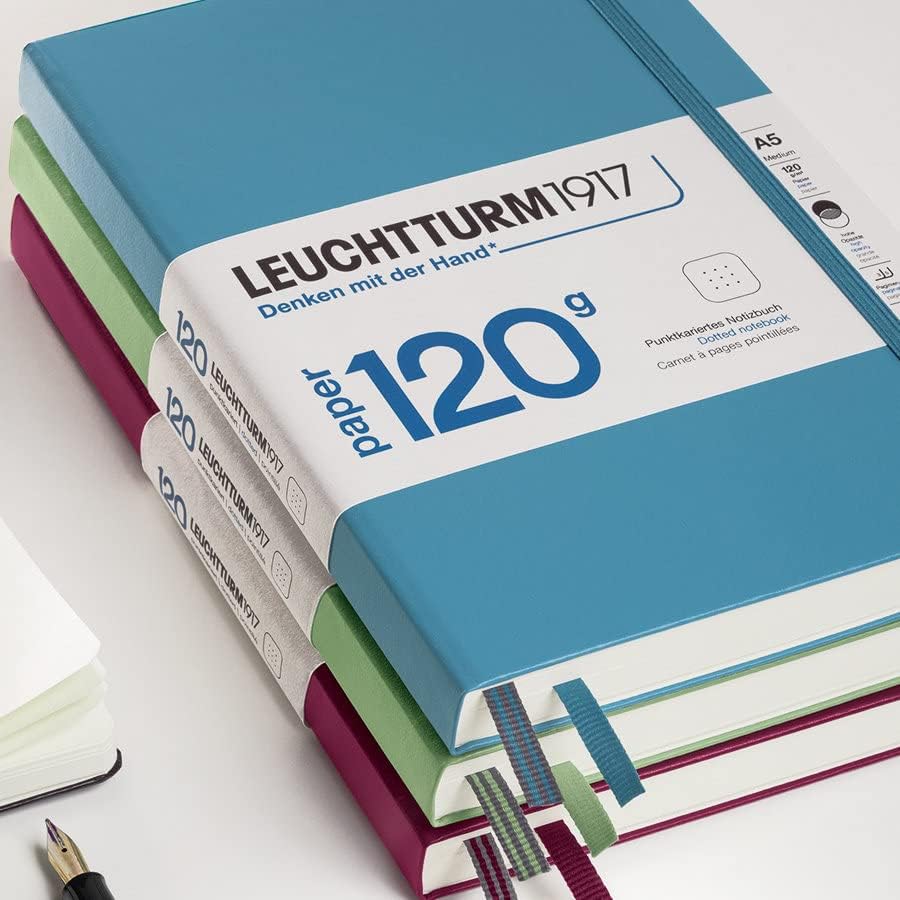
For example, journaling is one simple yet powerful way to reconnect with your goals and values. Neuroscience research shows that expressive writing can reduce stress and increase clarity of thought. A beautifully designed Leuchtturm1917 Hardcover Notebook can transform journaling into a daily ritual of grounding and reflection. Having a tactile object that invites you to write makes the practice more consistent and meaningful. Expanding on this, consider incorporating mindfulness practices or seeking mentorship to support your journey.
Another tool is the physical environment you create for yourself. A space that feels intentional, calm, and inspiring reinforces loyalty to your best work. Something as simple as investing in a Sunrise Alarm Clock can help you start your mornings with focus, light, and intention. Small lifestyle choices like these make it easier to align your daily actions with your long-term vision.
The Science of Expecting the Best
Expectation is not just psychological; it’s biological. The brain operates on predictive coding, meaning it constantly anticipates what will happen next. When you expect negative outcomes, your brain is primed to confirm them, scanning for failure and reinforcing a cycle of doubt. Conversely, when you expect positive outcomes, your brain heightens motivation, persistence, and creative thinking.
Stanford University researchers have shown that students who believed intelligence could grow through effort and learning (a growth mindset) outperformed peers who believed intelligence was fixed. Expecting the best isn’t just “thinking happy thoughts”; it’s training your brain to expand what it believes is possible.
This also connects to stress management. The American Psychological Association reports that people with optimistic outlooks experience less chronic stress and recover faster physiologically after high-pressure events. Your body responds to your beliefs in ways far deeper than surface-level mood.
Balancing Expectation With Realism
A common pushback is that expecting the best creates unrealistic standards, leading to burnout or disappointment. There’s truth in this concern, but only when expectation is detached from action. Expecting the best doesn’t mean waiting for miracles while standing still; it means working with consistency and integrity while believing your efforts are meaningful.
Athletes, for example, don’t train with half-heartedness because they “might lose.” They train with the expectation of winning while still preparing for setbacks. Serena Williams once explained in an interview that expecting the best outcome is what fueled her discipline, even in times of injury or personal challenges. Addressing these nuances can help readers understand how to maintain high expectations without falling into traps of unrealistic thinking.
Why This Mindset Matters Now More Than Ever
In 2025, the workplace looks very different than it did even a few years ago. Hybrid work, artificial intelligence, and shifting economic conditions have reshaped the way we define productivity and success. Many employees feel stretched thin between personal responsibilities and professional demands.
Choosing to expect the best, especially in turbulent times, is a radical act of resilience. It positions you not as a passive receiver of circumstances but as an active participant in shaping outcomes. Employers are increasingly recognizing that resilience and optimism are essential skills, not “soft” qualities. LinkedIn’s 2024 Workplace Learning Report identified resilience, adaptability, and emotional intelligence as top skills companies are actively investing in. Expecting the best isn’t just personal growth; it’s professional survival.
A Personal Story of Expecting More
Years ago, I worked alongside a colleague who faced repeated rejection for promotions. Each time, she chose not to spiral into bitterness but to refine her skills and push forward. She told me once, “I can’t let a ‘no’ today stop me from preparing for tomorrow’s ‘yes.’” A few years later, she landed a leadership position she had once believed was out of reach. Her story stays with me because it illustrates loyalty to one’s best self, even when external validation is missing. She didn’t let short-term disappointment dictate long-term belief, and that persistence transformed her career trajectory.
Closing Thoughts: Expect the Best, Create the Best
Expecting the best is not about ignoring reality; it’s about shaping it. By training your mind to stay loyal to the strongest, most authentic version of yourself, you invite opportunities that align with your values and goals. Science, case studies, and personal experience all show that optimism is not naive but necessary for success and well-being.
As you reflect on this, consider the question: What would shift in your life if you truly expected the best of yourself and your future? Your perspective might be the encouragement someone else needs today.
PS: Start with your Sunrise Alarm Clock. Click the image to get yours.